
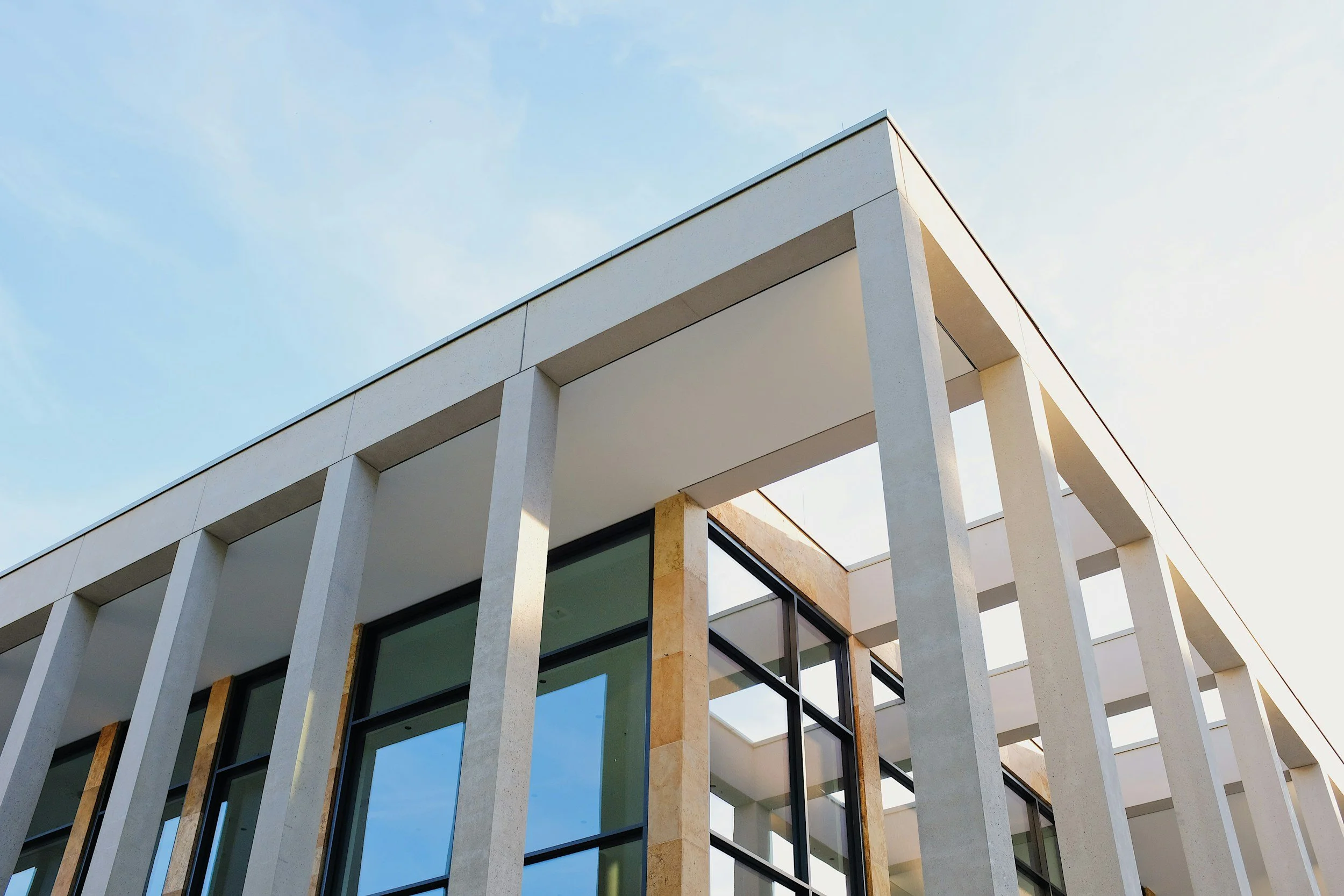
At TCC, our goal is to provide you with the most comprehensive and reliable construction consulting services, ensuring that your projects are delivered with exceptional results.
Construction Project Management
Manage your project from start to finish, ensuring timely delivery, budget control and high-quality execution. Including:
Plan and schedule the project timeline and budget.
Coordinate contractors, suppliers, and resources.
Manage contracts and change orders.
Monitor progress and quality control.
Facilitate communication and resolve disputes.
TCC Services
Feasibility Studies & Site Analysis
Evaluating whether a project is practical, financially viable, and compliant with local laws. This can include:
Site analysis
Zoning and regulatory reviews
Preliminary cost estimation
Return on investment (ROI) forecasts
Risk assessments
Budgeting & Cost Estimation
Preparing detailed cost estimates to help clients understand project costs and manage their budget. Which includes:
Quantity take-offs
Material and labor cost analysis
Contingency planning
Budget tracking and forecasting
Risk Assessment & Compliance
Identify potential risks and ensure compliance with local regulations, safety standards, and building codes to mitigate delays and fines. This can look like:
Risk assessments and impact analysis
Contingency planning
Insurance advice
Regulatory compliance
Project Planning & Scheduling
Develop clear milestones, timelines, and efficient schedules to keep your project on track and ensure on-time delivery. Including:
Work breakdown structures (WBS)
Gantt charts and CPM (Critical Path Method)
Timeline optimization
Milestone tracking
Quality Control & Assurance
Ensuring construction work meets required standards and specifications. This will include:
Reviewing materials and workmanship
Coordinating testing and certifications
Identifying and rectifying defects
Documenting compliance with design and code


FAQ’S
-
A construction consultant provides expert advice, planning, oversight, and risk management throughout the construction process.
Unlike a contractor (who executes the physical work) or an architect (who designs the structure), a consultant focuses on ensuring that the project is delivered efficiently, stays within budget, meets quality standards and complies with regulations.
They may also act as a neutral third party to help avoid disputes between stakeholders.
-
Yes, even small scale or residential projects can benefit greatly from a consultant. We can help prevent cost overruns, contractor issues and design flaws.
For home renovations or extensions, a consultant can provide feasibility studies, contractor vetting, cost estimation, and project monitoring helping you avoid costly mistakes and delays.
-
No, consultants typically do not assume legal liability for construction defects or accidents unless it’s due to their own negligence. They are there to advise and oversee, not to perform or supervise physical labor directly.
However, their role can reduce legal risks by ensuring that regulations, safety protocols and quality standards are followed throughout the project.
-
Absolutely! Consultants are often brought in mid-project to troubleshoot delays, budget overruns, or quality issues.
They can perform project audits, resolve conflicts, renegotiate contracts, and re-align the project with its goals. Early intervention is ideal, but it’s never too late to bring in professional oversight.
-
It might seem like an extra cost, but hiring a consultant can actually save money in the long run. By identifying inefficiencies, overpriced contractors, or design errors early, they often prevent more costly mistakes later.
Many clients find that the consultant's fee is offset by the savings they bring to the project through better planning and oversight.